Ask anyone who lives by the sea which month is the finest, and you hear the same answer surprisingly often: September. The big rush is over, but summer has not quite gone. For anyone not tied to the school holidays, it is a month worth remembering.
The quiet returns
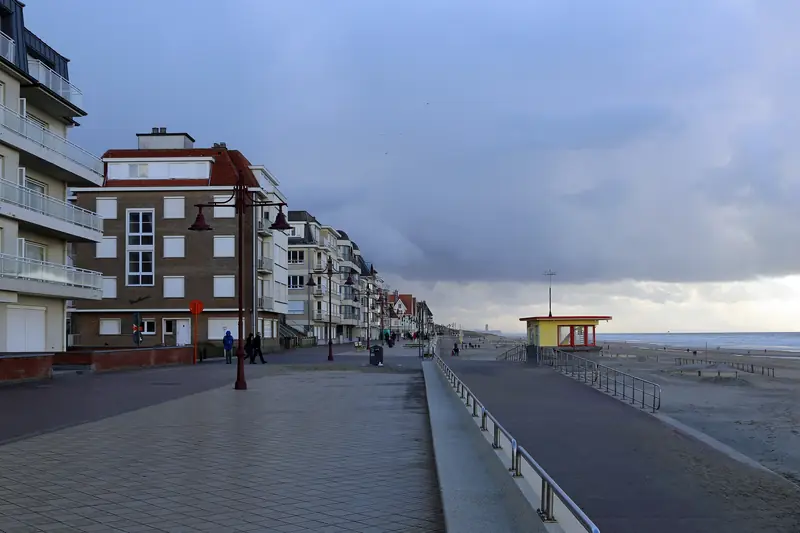
Once the school year starts, the coast changes rhythm. On the promenade there is room to walk again, on the beach you put your towel where you like, and on a terrace you find a table with a sea view without having to hunt for one. The resorts do not fall silent. They simply change down a gear.
You notice it on the way too. The coast tram is less full, parking is easier and the cycle paths have more room. On weekdays especially you have a large share of the coast to yourself. At the weekend, in fine weather, it grows a little busier again, with day-trippers catching one last day on the beach.
The sea is still warm
Water warms more slowly than the air, and it cools more slowly too. The North Sea therefore reaches its warmest point late: normally only in late August or early September. On average the North Sea gets to around 18 degrees in summer. In June the sea often feels cooler than in the first weeks of September, even though the sun stands higher then.
If you like to swim, September suits you. Do keep in mind that the lifeguards scale back after the summer. Which posts are still staffed, and until when, differs from one municipality to the next. Check that on the website of the municipality where you are staying, swim only in a supervised zone and follow the flags.
The light of late summer
The sun sits lower, and you can see it. The light grows softer and warmer in colour, and the shadows in the dunes grow longer. For anyone who likes taking photos, this is a rewarding time.
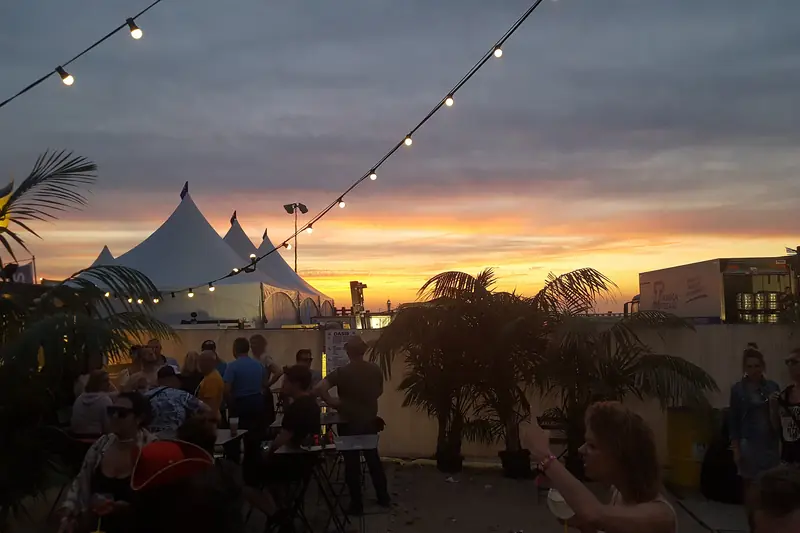
Sunset shifts as well. In high summer you have to stay up late for it. In September it falls at an hour that suits a walk after dinner, or a last glass on the promenade. The evenings do cool faster, so a jumper in the rucksack is well worth the space.
What stays open
The coast is not a summer set that gets taken down in September. People live in the resorts all year round. Restaurants, bakers, shops and museums simply carry on. The coast tram runs all year too.
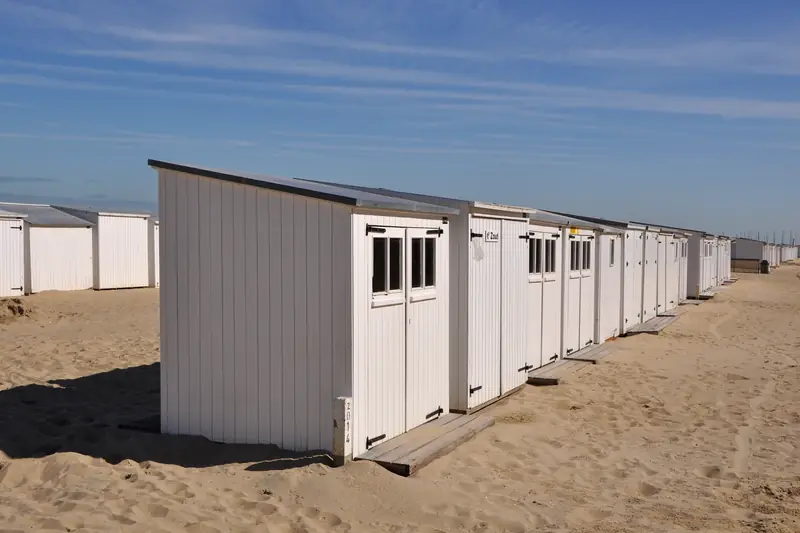
What does change are the typical summer things. Beach bars, beach cabins and hire points on the beach wind down their season, and not all at the same moment. Some places also take a few days off after the summer. If you are set on a particular address, look at their website first.
What to do in September
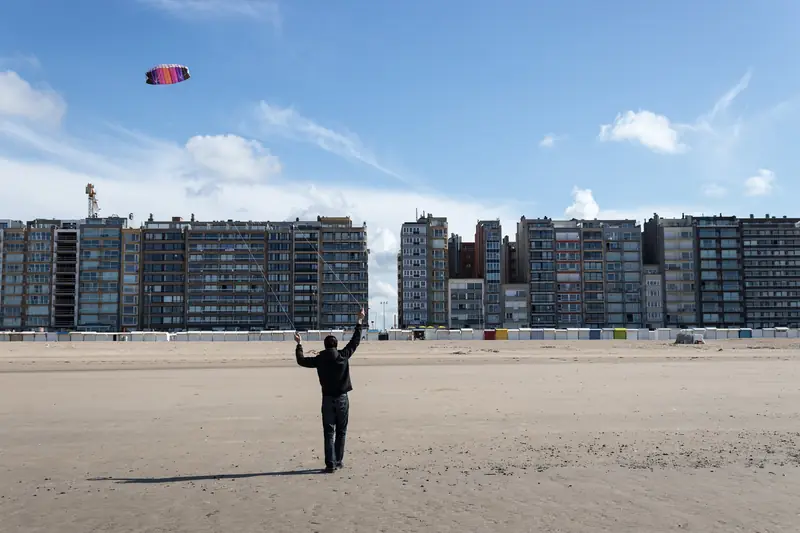
Swimming and sunbathing are still possible on fine days. But late summer is above all the time to get moving, now that it is no longer too warm.
- Walking. The Kustwandelroute runs 180 kilometres between De Panne and Knokke-Heist. You simply pick out a stretch, preferably through the dunes.
- Cycling. The routes on the coast are largely flat, and you set the distance yourself with the cycle nodes.
- A beach walk at low tide. Ebb and flood alternate in a rhythm of a good twelve hours. At low water the beach is at its widest, and you walk most easily on the firm sand.
- A long meal. Without the summer rush there is time for a leisurely lunch with a view of the sea.
What to pack
September is a month with two faces. You can sit on the beach in short sleeves and, two days later, walk the promenade in a raincoat. So pack in layers: swimwear and sun cream, but also a warm jumper and a coat that can take the wind. Sturdy shoes for the dunes come in useful too.
Finally
September gives you the coast without the crowds, and a sea that still holds on to summer for a while. If your days are flexible, you often find something that suits you more easily then. View stays.
Sources: VRT NWS, Wikipedia: North Sea, dekust.be: walking networks, dekust.be: cycling, De Lijn: coast tram